Preventive Speed Brain Check-up
・Brain MRI/A
・Neck MRA

Preventive Speed Brain Check-up
・Brain MRI/A
・Neck MRA
Stroke is one of the leading causes of long-term disability and loss of independence. In addition, approximately one-third of dementia cases are believed to be related to stroke or other cerebrovascular diseases.
Yet, brain abnormalities also can progress silently without noticeable symptoms.
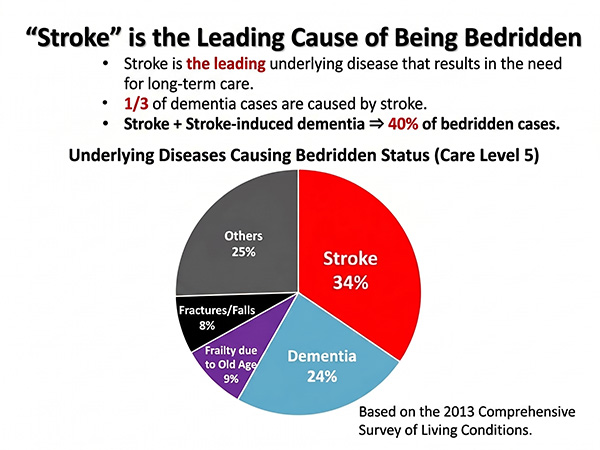
A Brain Dock (preventive MRI brain screening) may help detect conditions such as silent strokes, brain aneurysms, and other vascular abnormalities before symptoms appear. Regular brain screening can help identify future risks of stroke and cognitive decline at an early stage, supporting long-term brain health, independence, and quality of life.
In Japan, healthcare is not only focused on treating illness after symptoms appear, but also on preventing disease before it develops.
One example of this preventive healthcare culture is the “Brain Dock” — an MRI-based brain screening program that is unique to Japan.
In many countries, undergoing a brain MRI without symptoms is not considered routine.
In contrast to that in Japan, regular brain screening is widely accepted as a way to identify future health risks at an early stage.
At our clinic, you can receive a high-quality MRI brain screening for ¥25,500.
The entire process — from arrival to completion — takes approximately one hour, and our English-speaking concierge team will support you throughout your visit. Experience Japan’s unique preventive healthcare culture for yourself.
In Japan, regular health checkups and medical screenings are a common part of preventive healthcare culture.
However, many general health screenings do not include detailed brain examinations, and even when they do, they often rely only on CT scans.
A CT scan is mainly used to detect abnormalities that are happening at the present moment.
It is particularly effective for diagnosing brain hemorrhage, but it cannot clearly evaluate the condition of brain blood vessels and may miss small strokes or subtle vascular abnormalities.
As a result, CT scans alone may not be sufficient to detect:
A Brain Dock, on the other hand, uses both MRI and MRA imaging.
MRI provides a more detailed view of the brain than CT and can detect small abnormalities such as silent strokes that may not cause noticeable symptoms.
In addition, MRA allows visualization of the brain’s blood vessels, helping identify vascular narrowing or brain aneurysms that may increase the future risk of stroke or subarachnoid hemorrhage.
A Brain Dock is designed not only to evaluate the brain’s current condition, but also to identify future risks early — allowing preventive care and medical follow-up before serious symptoms develop.
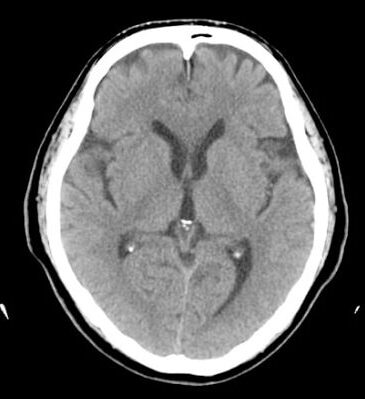
CT scan
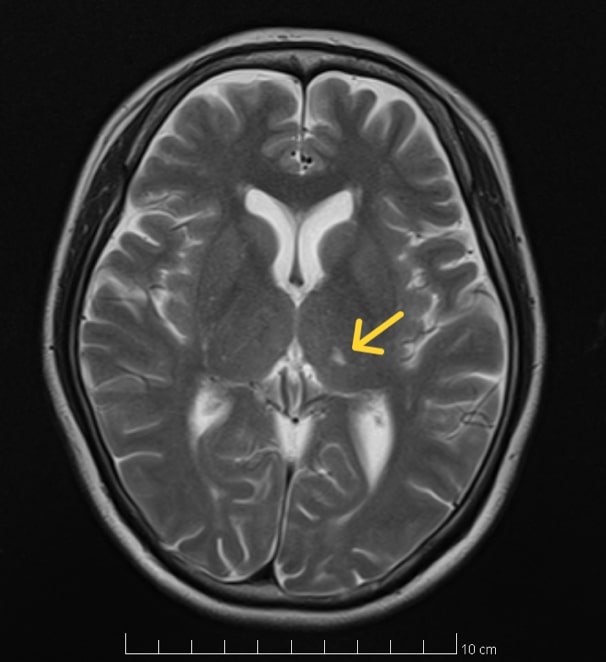
MRI(cerebral infarction)
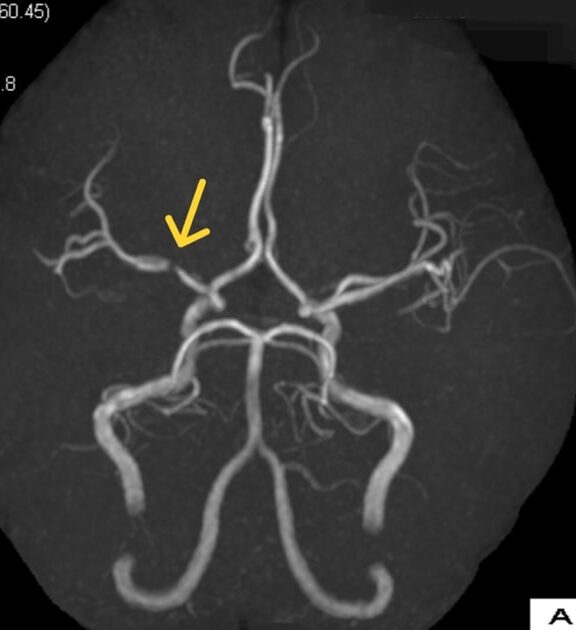
MRA(Right middle cerebral artery stenosis)
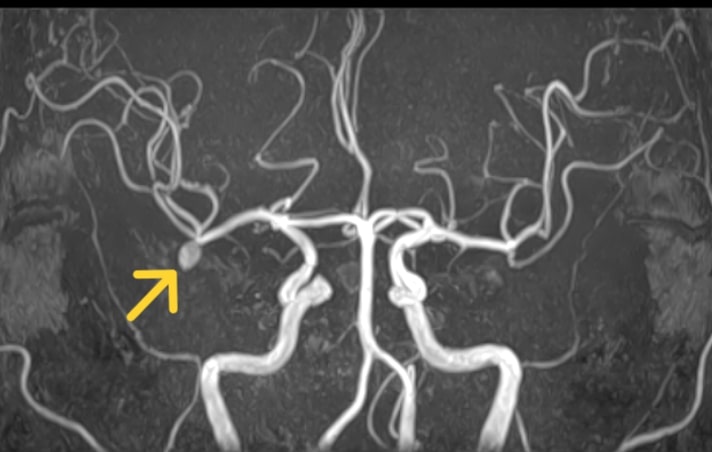
MRA(Right middle cerebral artery aneurysm)

1. Reservation
You can easily make a reservation using your smartphone or computer.
Our English-speaking concierge team will contact you by email to arrange your appointment.

2. Reception (Approx. 10 minutes)
You will be asked to complete a simple registration form and consent form.
Please review the MRI safety instructions before the examination.
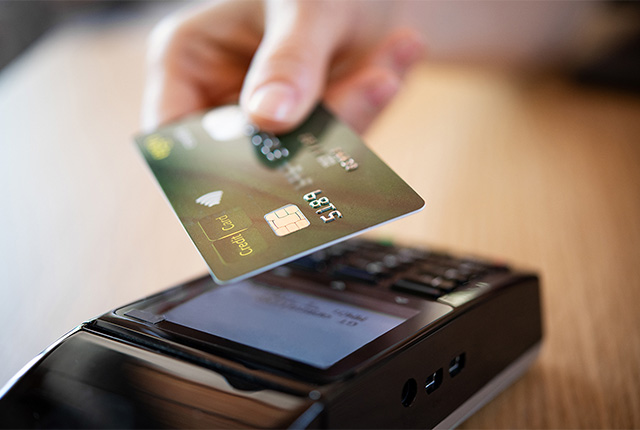
3. Payment (Approx. 10 minutes)
We accept cash, credit cards, electronic payments, and PayPay.
Cashless payment options are available for a smooth and convenient checkout process.
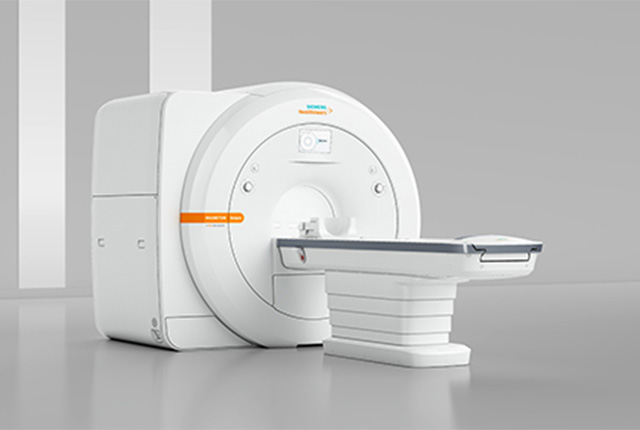
4. MRI Examination (Approx. 20 minutes)
The MRI examination takes approximately 20 minutes.
In addition to evaluating brain conditions and cerebral blood vessels, the examination also includes imaging of the neck blood vessels.

5. Delivery of Results
There will be no doctor consultation on the day of the examination.
Your English brain screening report and imaging data will be mailed to your home at a later date.
MRI examinations use strong magnets and electromagnetic waves. Bringing metal objects into the MRI room may cause burns due to heat generated by the metal, and may also affect the accuracy of the images obtained.
Please review the following precautions carefully before your examination.

Using a cardiac pacemaker, implantable cardioverter-defibrillator (ICD), or artificial heart valve

Using a cochlear implant or middle ear implant
If you would like to schedule an appointment, please contact us in advance to discuss your eligibility.
Using a deep brain stimulator (DBS) or an older brain aneurysm clip
Individuals who have recently received an intravascular stent or intravascular filter

Using magnetic or metallic dentures, or dental implants

Using an intrauterine device (IUD)

Individuals in early pregnancy (less than 4 months) or who may be pregnant

Individuals with tattoos or permanent makeup (microblading)

Individuals with metallic objects of unknown material inside their body

Individuals with claustrophobia or claustrophobic tendencies
If any of these items cannot be removed on the day of your visit, the MRI examination may not be performed.
In addition to cash, you can also pay using the following cashless payment methods.